Eva Milano is a unique project in Italian women’s football, with influencer players attracting attention. What was your vision when founding the club, and how has it evolved?
The project came to life this summer 2025, as we decided to capitalize our experience with the management of a women’s team, our encounters with some content creators and our general knowledge of the European non-professional football environment.
From this combination came the idea of exploring (and potentially exploiting) the niche of non-professional women’s football, creating something new that would innovate the current model as well as shine a light on a lesser known (but equally full of passion and engagement) part of the overall movement. Spurring from the intersection between communication, women and football, the idea naturally appealed the content creators world, which is exactly the result of that union, so their engagement was far more organic and enthusiastic than we had previewed.
How do you balance the club’s competitive ambitions with its social media and influencer-driven profile?
The project is very young and at the moment the main focus has not been the performance on the pitch, as much as the overall structure around the team and the creation of a group with a recognizable ethos. So far, the team is not performing particularly well in the league (in contrast to the good results on social media, awareness and overall perception), but I think that while we need to find a balance between the results on and off the pitch, the evolution of the project should take the shape of a cultural phenomenon rather than a merely sporting one.
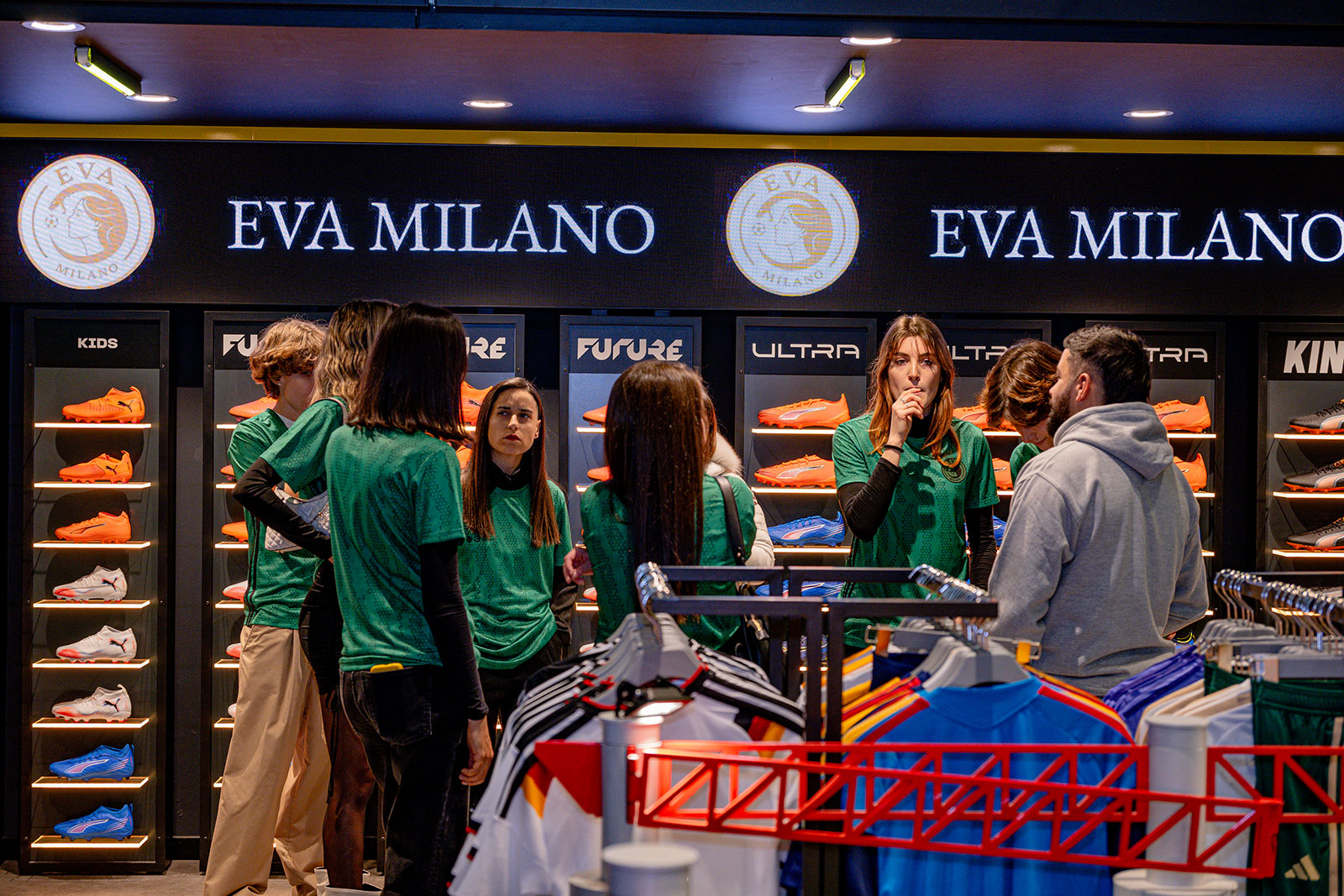
How do you see social media helping to close the gap between visibility and professional opportunities for women’s football players globally?
I think social media are a great tool for the development of women’s football’s own space, because the storytelling you are allowed to create brings to life aspects that go beyond the football dimension, including personal and relational aspects that are far more relatable. This puts both the clubs and the players in a position of “makers” rather than “followers” of the men’s game, and helps shape the football culture around the the women’s game through more knowledge of the phenomenon and its actors.
As for the path to more professional opportunities, I generally think that communication and professional performances are separate purposes and they tend to be enemies with one another, but certainly an enhanced visibility opens up more opportunities and ties together distant worlds.
What impact do you hope the club has on young girls who might aspire to play football professionally?
I believe Eva Milano should serve as a reference model for young girls to approach to football because it sets a precedent that goes beyond the purely football related dimension, instead using football and its drive for a sociocultural impact that could finally involve women as actors of their own environment.
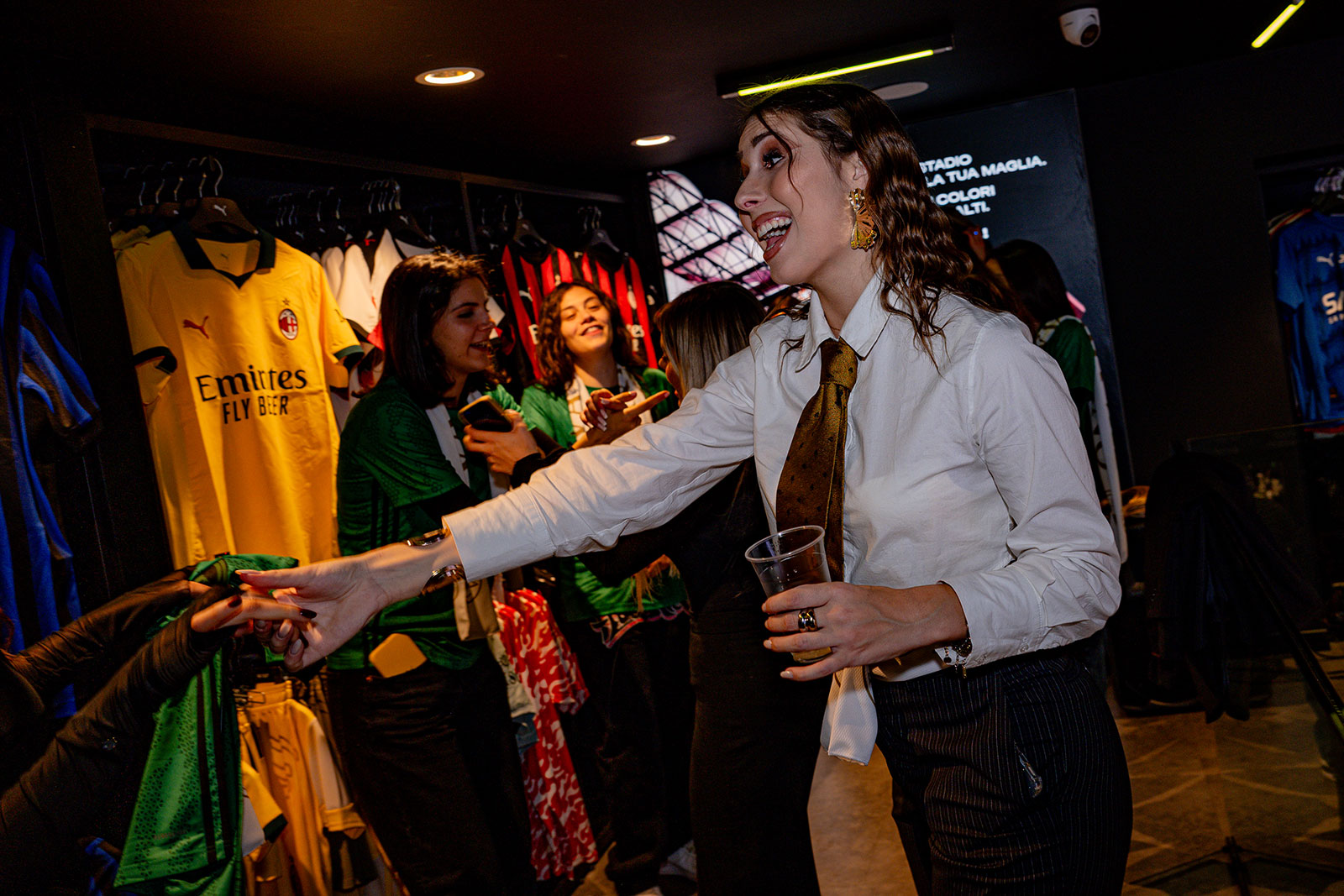
How do you see Eva Milano contributing to the broader development of women’s football in Italy?
The innovative key of approach to representing a women’s football team, highlighting the personal aspects of the people involved, should serve as an expression to make it more relatable (for girls and women) and more appealing (for boys and men).
Italian football is evolving rapidly how do you see teams like Eva Milano shaping the next generation of players and fans?
I believe that our efforts are oriented in the direction of making women’s football more common and approachable, but naturally the first steps won’t be easy, especially considering a certain baseline disdain for women’s football rooted in the Italian football culture, which can only be enhanced by social media, in its most negative effects. We need to handle it with care to show the value of football and its significance are universal aspects and there can be interest, engagement and attraction even in lowest division of the women’s pyramid - because it’s not about the level of football, but rather the social aspect and dynamics that inspire.
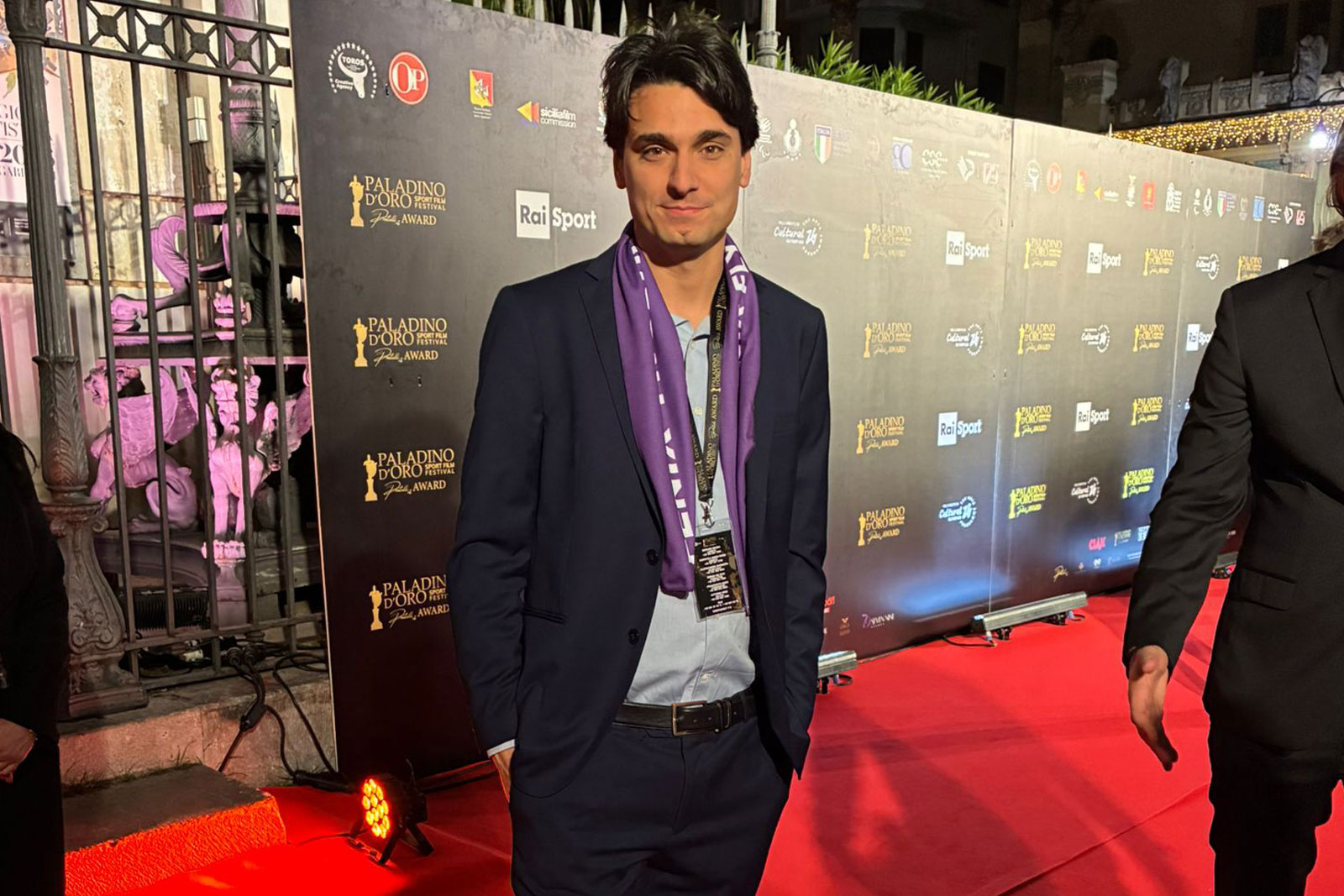
Are there plans to collaborate with other clubs, federations, or social initiatives to further grow women’s football in Italy?
Connecting with other entities that are aligned to our mission is certainly crucial to a full blossoming of our project. I have several friends in professional and non professional football across Europe and a European vision is certainly in order - but first we have to make sure the ship is fully afloat here in Italy.
How do you see social media helping to close the gap between visibility and professional opportunities for women’s football players globally?
As I mentioned, I think social media (in Italy and across the globe) help creating a different image of women’s football compared to the one you see on traditional media, stuck on old rethorics and terms of comparison: social media contribute to see fun and passion for football carried by these groups of women who truly enjoy playing the game, irrespective of the quality of the football, in a more genuine way.
Could you share your views on the Women Footballers Association ? established to support the development of women’s football in Turkey, and the Kristal Ayaklar TV Programme and Award Ceremony ?
I think those are two great examples of women representation in football and in sports in general: every instance where the presence of women in football is perceived as organic and not exceptional is certainly beneficial for the movement. I do think however that there needs to be a clear understanding that women’s football should find its own path and not follow the lead of men’s football, because that’s a loser strategy.